





From Win To Wallet: The Payout Journey
You hit a nice streak, the balance bumps up, and you instantly want the clean part: money moving out. So you open your account, tap the wallet area, and look for the payout option. Quick. Then your brain tries to rush the next clicks. Don’t.
Do this instead. Stop for ten seconds and check what’s actually available. Some funds can be held back because of a pending check, a promotion you opted into, or a simple processing stage. That’s not a trap, it’s a workflow.
Say you’re waiting for takeaway and you’ve got two minutes. You glance at your profile details, confirm your email is correct, and make sure your name is written the same way you use for payments. Small check, big payoff later.
And keep the expectation realistic: payout speed is a chain. First the platform approves, then the payment provider moves it, then your bank or wallet posts it. You can’t control the whole chain, but you can keep your side tidy.
The One-Minute Pre-Check
You’re about to request a payout. Before you do, run a fast checklist. Is your account verified? Are your details complete? Are you using a payment method that actually supports cashouts? This takes a minute. It can save hours.
Say you’re on a noisy train (yes, noisy). You submit a request, then you realize your address is missing a unit number. Now you’re stuck messaging support from a wobbly connection. Better to fix it first while you’re calm at home.
Also look at any active offer you claimed. If there’s a progress bar still moving, part of the balance may be restricted. Decide what you want: keep playing within your budget to finish it, or stop and withdraw only what is unlocked.
Submitting A Request Without Misclicks
Pick the amount, pick the method, confirm the summary, and submit once. One clean request beats three canceled attempts. If you keep tapping back and forth, you can trigger extra review steps and slow yourself down.
Neospin Casino Withdrawal: Step-By-Step
When you’re ready, the basic flow is simple: open the cashier or wallet section, choose the payout option, select your method, enter the amount, then confirm. That’s the mechanical part.
But the smoother part is what you do around it. Use a stable connection. Don’t do money actions on public Wi-Fi. If you’re in a cafe in Brisbane and the signal keeps dropping, wait until you’re on your own data or back home.
Next, keep your withdrawal routine consistent. Same method, same device, same account details. The more consistent your pattern, the less likely you are to trigger extra checks. It’s boring. It works.
And yes, the platform is available to players in Australia and it operates with standard safety measures, including identity checks and fraud prevention. Treat those steps as normal, not as an insult.
Choosing A Method That Matches Your Plan
Say you want the fastest access. Many players prefer wallet-type options when they’re available, because posting can be quick. If you care more about predictability, a bank transfer can feel steadier, especially for larger amounts.
Another real scenario: you deposited using one route and now you want to cash out through a different one because a friend told you it’s quicker. That can add friction. Not always, but often enough that it’s worth thinking twice.
Pick one method you trust, test it with a modest cashout first, then stick with it for a while. After that, you’ll know what “normal” looks like for your account.
What Each Status Label Really Means
You submit the request and you see a label like pending, processing, approved, or sent. Each word matters. Pending often means it’s in a queue. Processing can mean internal review or provider handling. Approved suggests the platform is done and the provider is next. Sent means it’s on the rails.
Say you check at 9 pm and it’s still processing. That doesn’t mean something is wrong. It means the chain is moving at its pace. Go do something else. Seriously. Staring at the status won’t push it forward.
If the status changes to sent, switch your mindset. Now you’re waiting on the payment route and your bank’s posting schedule. That’s outside the casino’s direct control.
Timing Factors: Weekends, Cutoffs, And Queues
People ask for a single number. “How long?” The honest answer is: it depends on timing, method, account history, and whether checks are complete.
Start with the calendar. A request on Tuesday morning can feel faster than a request late Friday night. Banking rails love business days. Some providers also batch transfers at certain times. If you submit right after a cutoff, you might wait until the next batch.
Now add volume. When many players are cashing out at the same time, internal queues can stretch. That’s not personal. It’s traffic.
Account history matters too. New accounts can see more review steps. If you’re brand new and you deposit, play for ten minutes, then try to cash out right away, that pattern can look risky. Systems notice patterns like that.
And then there’s the human factor. Players cancel requests, resubmit, switch methods, change profile details mid-process. That creates delays. So the best timing hack is simple: submit once, then let it run.
Weekends And Banking Rails
Say it’s Saturday in Australia and you request a payout after midnight. The platform might still review it, but your bank may not post it until the next business day. You see “sent” and you still don’t see funds. That can be normal.
If you want a calmer experience, plan cashouts earlier in the week and earlier in the day. It’s not glamorous advice. It’s the advice that works.
Internal Reviews And Risk Flags
Security systems can trigger reviews when something changes: new device, new IP range, new payment method, sudden large cashout, or repeated small withdrawals in a short time.
Picture this: you’re traveling, you log in from a different city, then you request a payout right away. The system might ask for extra confirmation. If your ID checks are already approved, this tends to be quicker.
The trick is consistency. Use the same device most of the time, keep your details stable, and don’t treat the cashier like a slot machine.
Small Amounts Vs Big Amounts
Tiny cashouts over and over can look odd. One larger request can be cleaner. But don’t push beyond your comfort zone. Pick an amount that matches your budget plan, then stick to a steady pattern.
Verification And Security Checks That Slow Things
Verification is the gatekeeper. If it’s done, cashouts often feel smoother. If it’s not, you wait. That’s the blunt truth.
So do it early. Not when you’re hyped after a win. Do it on a quiet afternoon. You open the verification section, upload what’s requested, and wait for approval. Then you forget about it until you need it.
Security checks also protect you from account takeover. If someone tries to drain your balance, the same systems that slow you down can stop them. Annoying in the moment, helpful in the bigger picture.
And remember: the platform aims to operate within applicable rules and internal risk controls. Don’t try shortcuts. Shortcuts are what trigger the long reviews.
ID Upload Done Right
Say you’re using your phone camera at night with bad light. Don’t. Turn on a lamp, place the document flat, and take a sharp photo with the edges visible. Blurry uploads cause rejections, and rejections cause delays.
If a selfie is required, keep it simple: neutral background, no hat, no heavy filters. You want the system to approve you, not admire your editing skills.
After you submit, avoid changing your profile details for a bit. Let the review finish. Changing your address or phone number mid-review can reset the process.
Details That Must Match
Your payment account name and your profile name should match. Not “close enough”, but actually matching. One missing middle name can matter. A swapped surname order can matter. Fix it before you request a payout.
Micro scenario: you notice your profile shows a nickname. Change it to your real name, then wait for it to save properly, then proceed with your cashout.

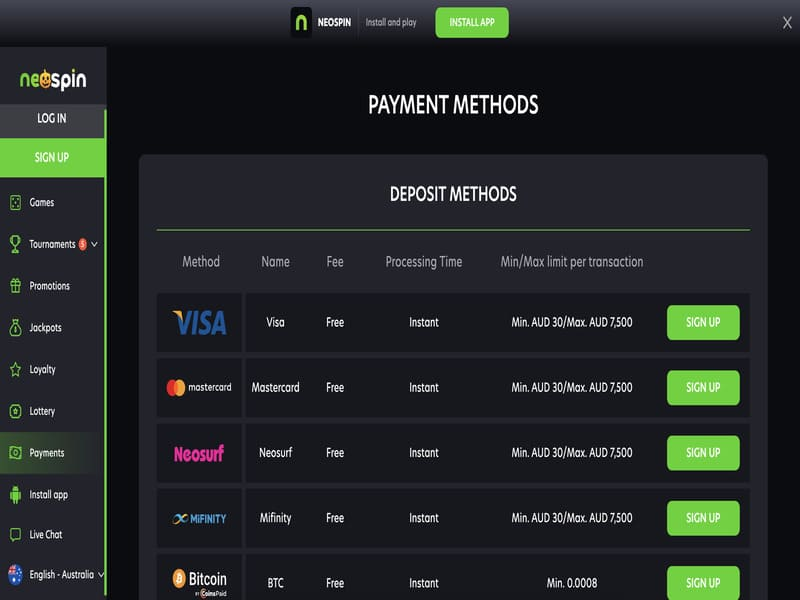
Payment Methods And Processing Windows
Method choice shapes the last mile. The casino can approve fast, but your provider and bank still have their own schedules. So choose based on your needs: speed, predictability, or convenience.
Here’s a practical planning table. It’s not a guarantee. It’s a way to set expectations so you don’t spiral over normal delays.
Type of Method | Best For | Typical Provider Posting | Weekend Impact | Notes |
|---|---|---|---|---|
Bank Transfer | Predictable larger payouts | 1-3 business days | Can slow | Match name and bank details |
Card Route | Familiar banking tools | Same day to several days | Can slow | Some cards have limits |
E-Wallet Style | Faster access on many days | Minutes to 24 hours | Often lighter | Keep one wallet consistent |
Local Bank Option | Simple deposits and cashouts | Same day to 2 days | Varies | Depends on provider rails |
Prepaid Voucher | Deposit budgeting | Not used for cashouts | Not relevant | Great for control, not payouts |
Now the human side. If you keep switching methods because you read one comment online, you create chaos for yourself. Pick one route and give it a few tries before judging it.
Picking One Route And Sticking To It
Say you withdraw with a wallet method today, then a bank transfer tomorrow, then a card the next day. Your account now looks like three different habits. That can trigger extra checks.
Try a simple routine: same method for a week, then review. If it’s smooth, keep it. If it’s slow, change once, not five times.
Also keep a tiny record for yourself. Nothing fancy. Note the date, method type, and when you received funds. After two or three cashouts, you’ll know what “normal” is for you.
Responsible Play While You Wait
Waiting for a payout can mess with your head. You see a pending status, you get impatient, and you think, “I’ll just play a bit more.” That is where trouble starts.
So set a rule: once you submit a cashout request, you stop playing for the day. Full stop. Go cook, go gym, go walk your dog. Anything.
If you really want another session, schedule it for tomorrow with a fresh budget. When you play while waiting, you’re mixing emotions with money movement, and that’s when people chase.
Say you’re up, you feel confident, and you want to push for a bigger win. Pause. Cash out part of it instead. Leaving with something is a win too.
And use the safer play tools. Deposit limits, session reminders, cooling-off options. These aren’t “for other people”. They are for anyone who likes staying in control.

Support: Getting Help Without Stress
Most payout questions are solved by checking your status label, your verification section, and your account messages. If you still need help, support can step in. But the way you ask matters.
Say you’re frustrated and you type a long rant. Support has to dig through it to find the facts. That slows everything down. Send facts first, feelings later (or never).
Also, don’t open three tickets for the same request. One case, one thread, one clear set of details. That is how you get a faster response.
What To Send In One Message
Include the amount, method type, the time you submitted, and the status you see. Add a screenshot of any error message if there is one. Keep it short and readable.
What Not To Do
Don’t cancel and resubmit repeatedly. Don’t change your name, address, or payment method while a cashout is active unless support tells you to. And don’t hammer the login button from ten devices. That can trigger security locks.
Micro scenario: you’re in a hurry, you switch methods mid-request, and the system pauses it for review. You just created the delay you feared. So take the slower, calmer option: submit once and wait.